Magnet performance for eternity.
Magnet Loop is building a neodymium-iron-boron (NdFeB) permanent-magnet factory in Europe — supplied through a blended mine-to-magnet and recycling supply chain. High-performance magnets for the applications where loss of supply is not an option.
Small components. Outsized dependence.
Europe imports more than 88 percent of its NdFeB permanent magnets, with China holding the largest share of global supply and almost all heavy-rare-earth separation capacity. These magnets are tiny parts inside drone motors, semiconductor equipment, food-safety systems, medical devices and wind turbines — yet the economic activity that depends on them is worth orders of magnitude more than the magnets themselves.
Strategic autonomy does not mean making every magnet at home. It means being able to supply the most critical applications from domestic production — even when global supply is disrupted — while still sourcing the rest on the open market.
One factory, two resilient feedstock streams.
Magnet Loop runs on a blended feedstock of primary and secondary material. Primary rare earths give us a mine-to-magnet backbone; recycling closes the loop with end-of-life magnets from across Europe. We draw on proven European production technology, with established lines serving European and global demand while the plant is built.
Mine-to-magnet primary feedstock
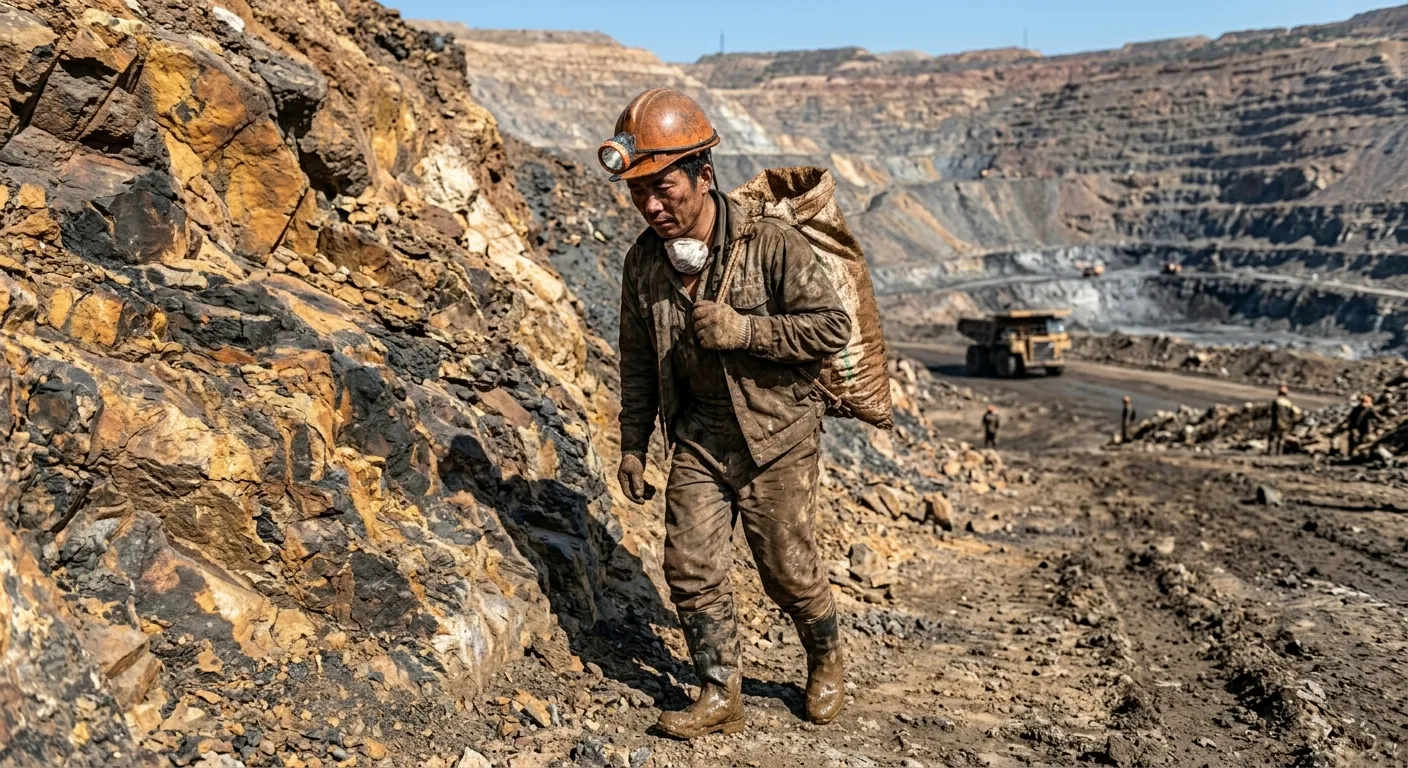
Magnet Loop secures access to primary rare-earth feedstock through European supply partnerships spanning mining and midstream refining. That gives us control over primary material from the mine all the way to the finished magnet — outside the dominant Chinese supply chain.
Recycling end-of-life magnets, two ways
On the secondary side we use both recycling routes. Short-loop recycling — among the most mature European routes in operation — feeds reclaimed magnet material straight back into magnet making. Long-loop recycling in the Netherlands recovers rare earths from streams the short loop cannot reach.
Four ways back into the loop
Recovering NdFeB magnets from end-of-life products is a trade-off between how much value you keep and how much material you can reach. The further a product is broken down, the more universally a route applies — but the more of the magnet’s original value is lost.
The waste hierarchy therefore favours reuse over recycling, and short-loop over long-loop recycling, wherever the input allows it. Together with our recycling partners, Magnet Loop covers both the short and the long loop — so every stream, clean or mixed, has somewhere to go.
Disassembly
- Non-destructive
- Only viable with enough magnets per product and good dismountability
- Highly application-specific
Hydrogen-based processes
- Hydrogen uptake makes the magnet expand and break up into powder
- High process temperatures and pressures
- Long process cycles
Shredding & sorting
- Universal solution for inhomogeneous material streams
- Works where disassembly does not pay off
- Losses are unavoidable
Reuse — system level
- Reuse of complete assemblies
- Maximum value retention
- Low ecological footprint
- Complex quality assurance and logistics
Reuse — component level
- Reuse of intact magnets
- Demagnetising, cleaning and optional reshaping
- Limited by lack of standardisation in geometry and material
Recycling — short loop
- Recyclate goes straight back into magnet making
- The existing alloy is reused
- Already industrialised
Recycling — long loop
- Hydro- and pyrometallurgical processing back to rare-earth oxides and metals
- Yields material for sintered magnets with the best properties
- Robust against contaminated, mixed input
Where most magnets end up: the shredder
Only a small share of end-of-life magnets is ever dismantled. Small motors, loudspeakers, hard-disk drives and household appliances mostly go straight into a shredder. There the brittle, strongly magnetic NdFeB breaks into fragments that cling to steel parts — and disappear into the ferrous fraction, where the rare earths are lost in steel recycling.
Physical sorting of that ferrous fraction turns this loss into feedstock. By separating on magnetic behaviour, particle size and density, a magnet-rich concentrate can be pulled out of the steel scrap: exactly the kind of mixed input the long loop is built to handle. Our partners have the sorting and recycling capacity to take it there.
- ShreddingEnd-of-life products are shredded; magnet fragments stick to steel.
- Ferrous fractionMagnet fragments leave the shredder together with the steel scrap.
- Physical sortingMagnetic, size- and density-based separation concentrates the NdFeB.
- RecyclingOur partners take the concentrate into short- or long-loop recycling, instead of the steel furnace.
Want to go deeper?
Our whitepaper on NdFeB recovery covers the routes, the shredder stream and where the rare earths can be won back. Leave your details and we’ll send it to you.
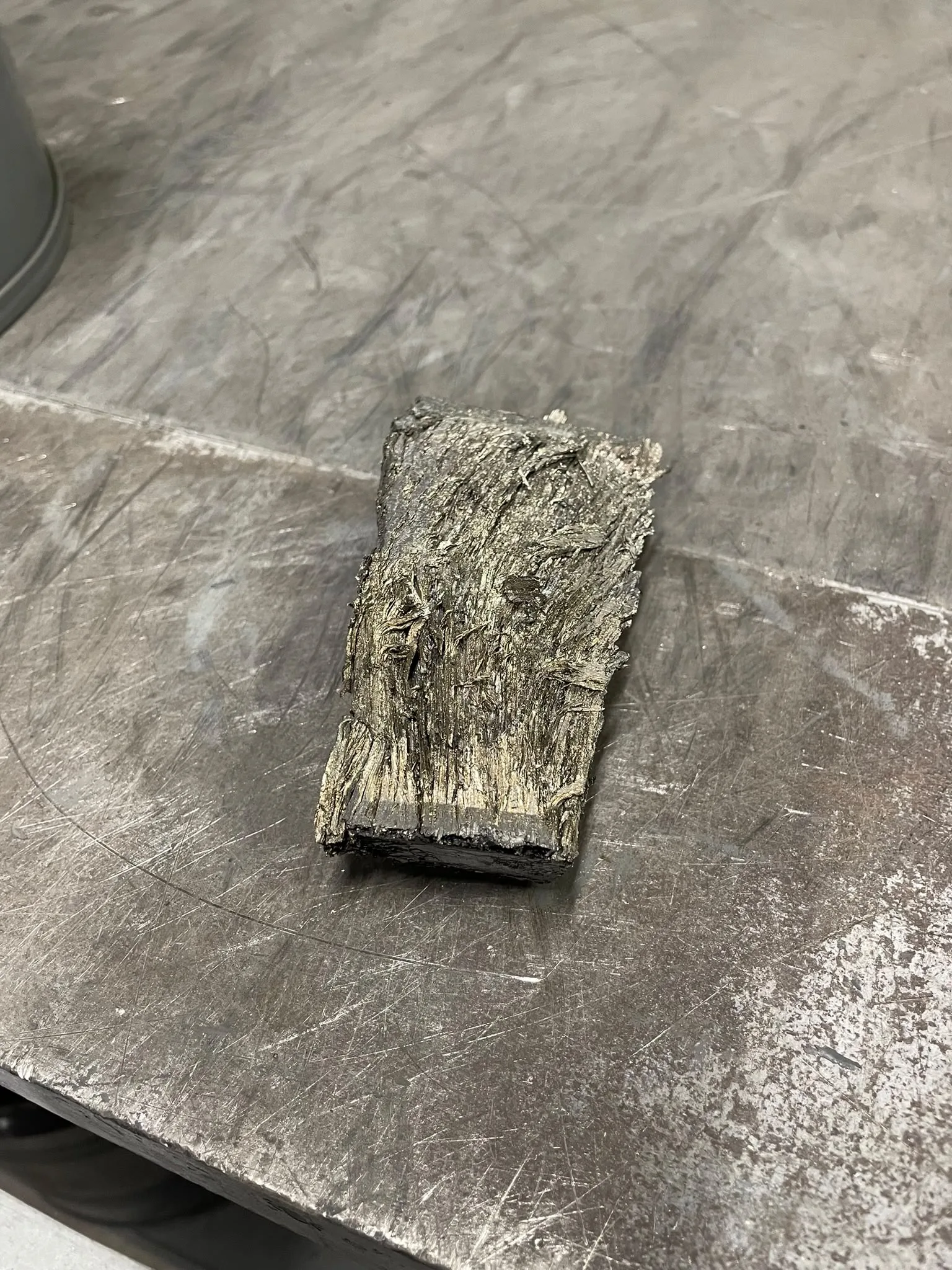
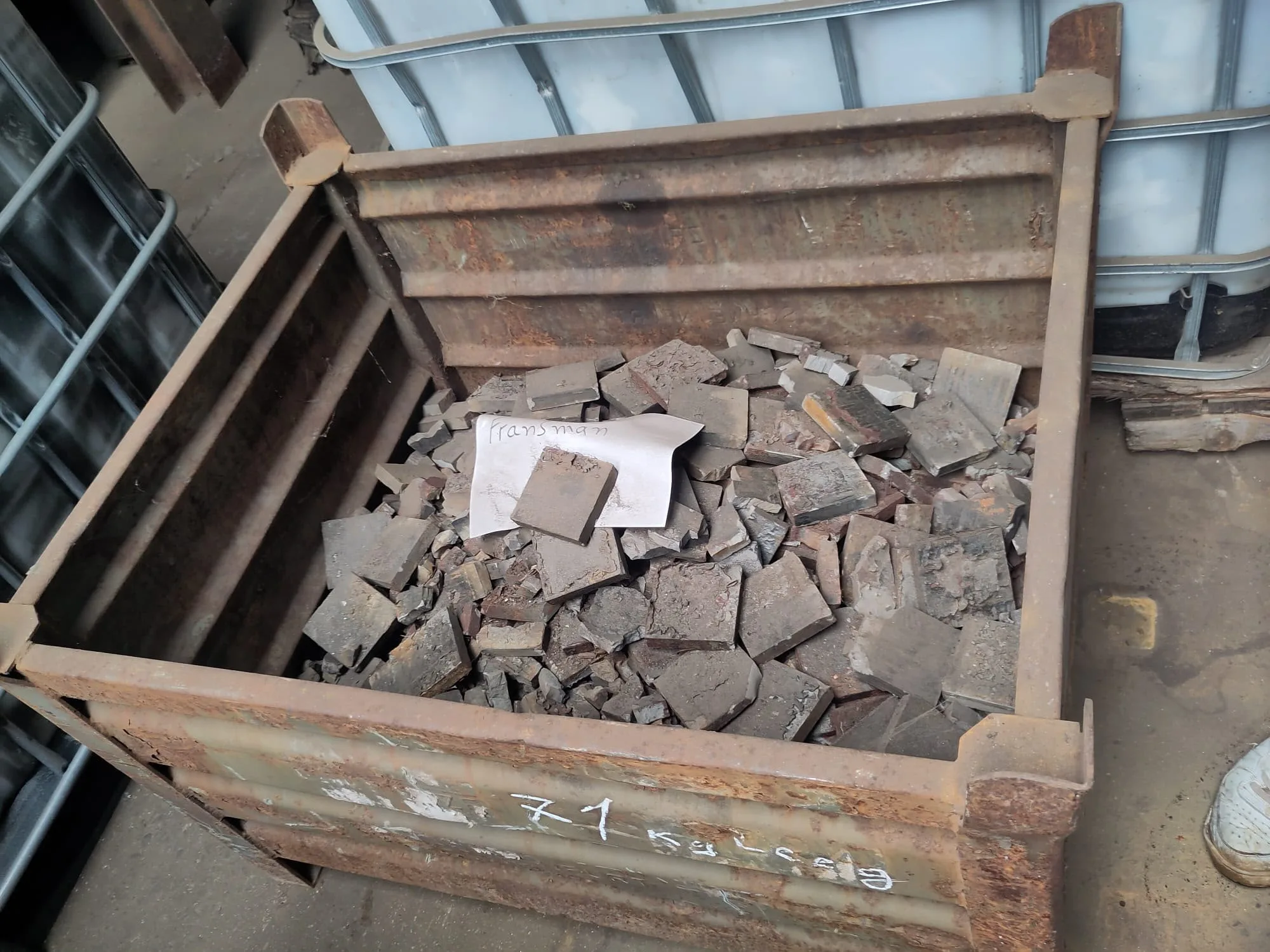
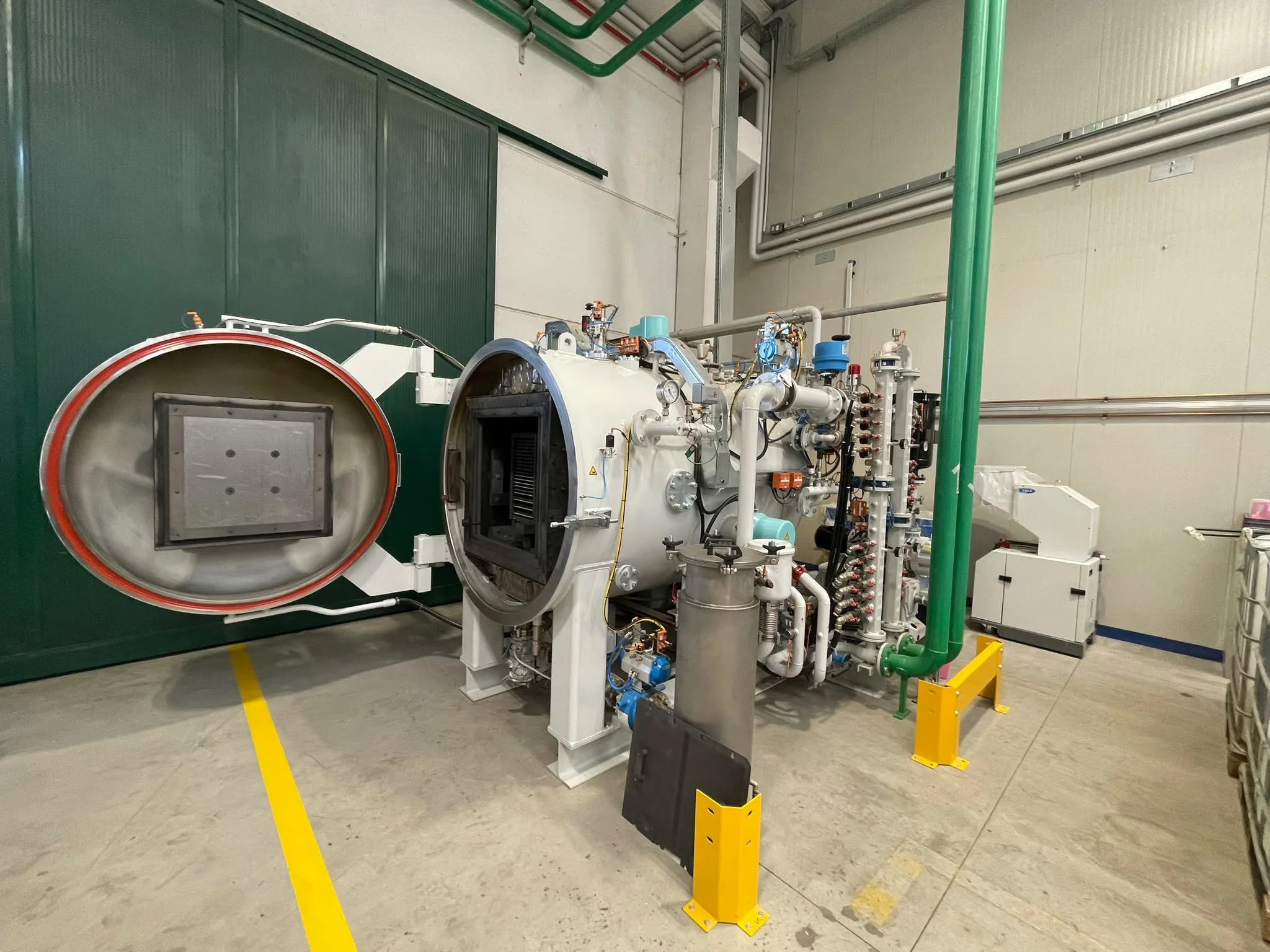
Both streams converge on the same European production line: press sintering with grain-boundary diffusion for high-coercivity grades, plus advanced routes and innovations to leapfrog today's magnet factories.
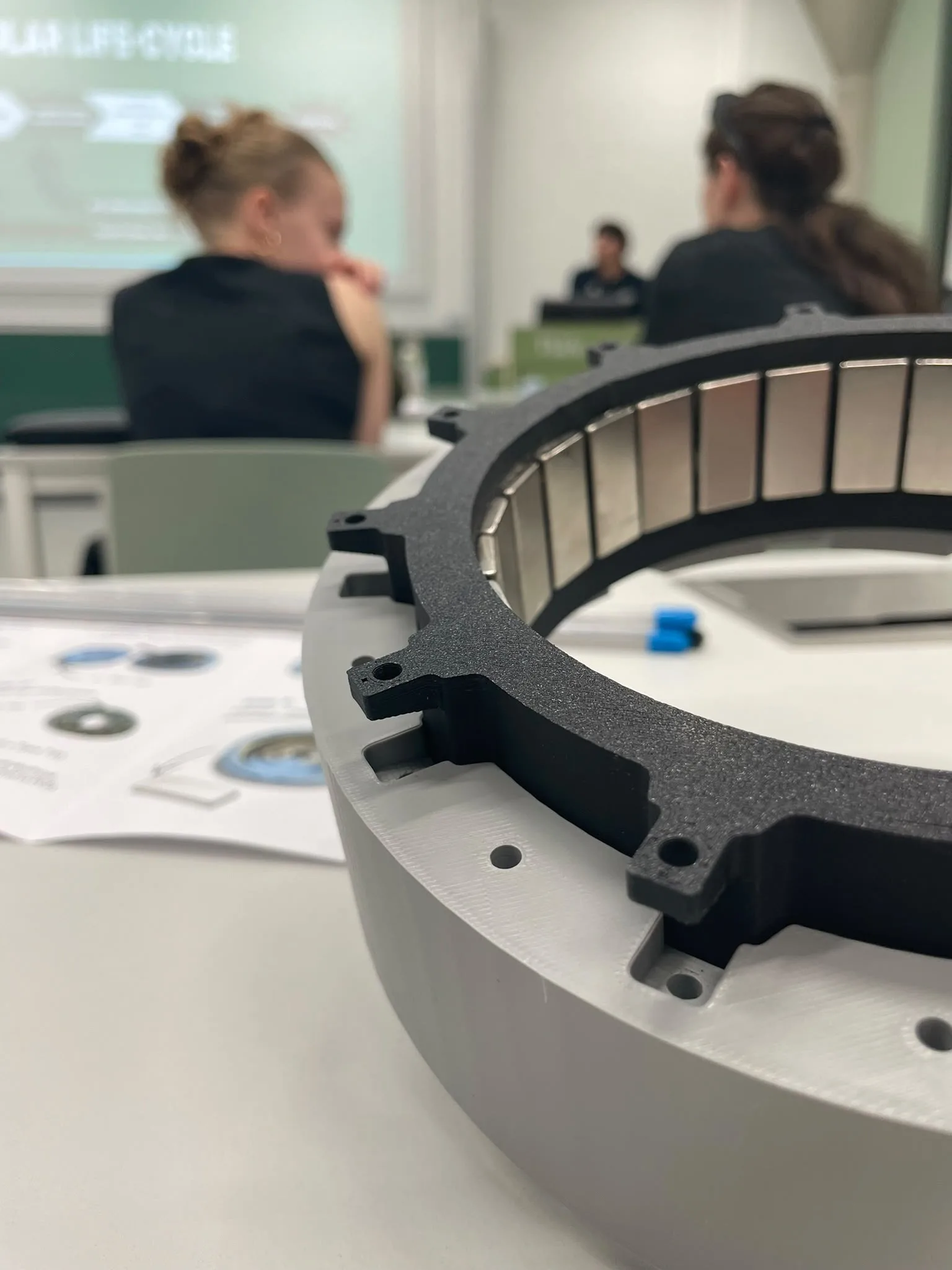
Radial magnetisation, pressed on non-Chinese equipment.
Arc-segment magnets are hardest to get right where they matter most: the radial field that drives a motor. We have a patent application filed on radially magnetising arc segments in a transverse servo press — a route built entirely on non-Chinese equipment. It is the kind of process advantage that does not show up in a datasheet, but shows up in the motor.
Built for the critical applications.
Magnet Loop qualifies a specific magnet grade and geometry on the customer's actual assembly — from a supplier that can still ship during a supply-chain disruption.
Defence & dual-use
High-coercivity arc magnets for brushless-DC drone (UAV) motors, operating at elevated temperatures.
High-tech & semiconductor
Precision grades that meet tight dimensional tolerances and stable demagnetisation behaviour.
Food safety & medical
Magnet-separation and medical devices: moderate volumes with high traceability and documentation.
Offshore wind
Long-term demand on the order of 650–1,000 tons of NdFeB per GW of installed capacity.
Factory automation
Motors and actuators for the high-value machine-building base that the Netherlands is known for.
E-mobility
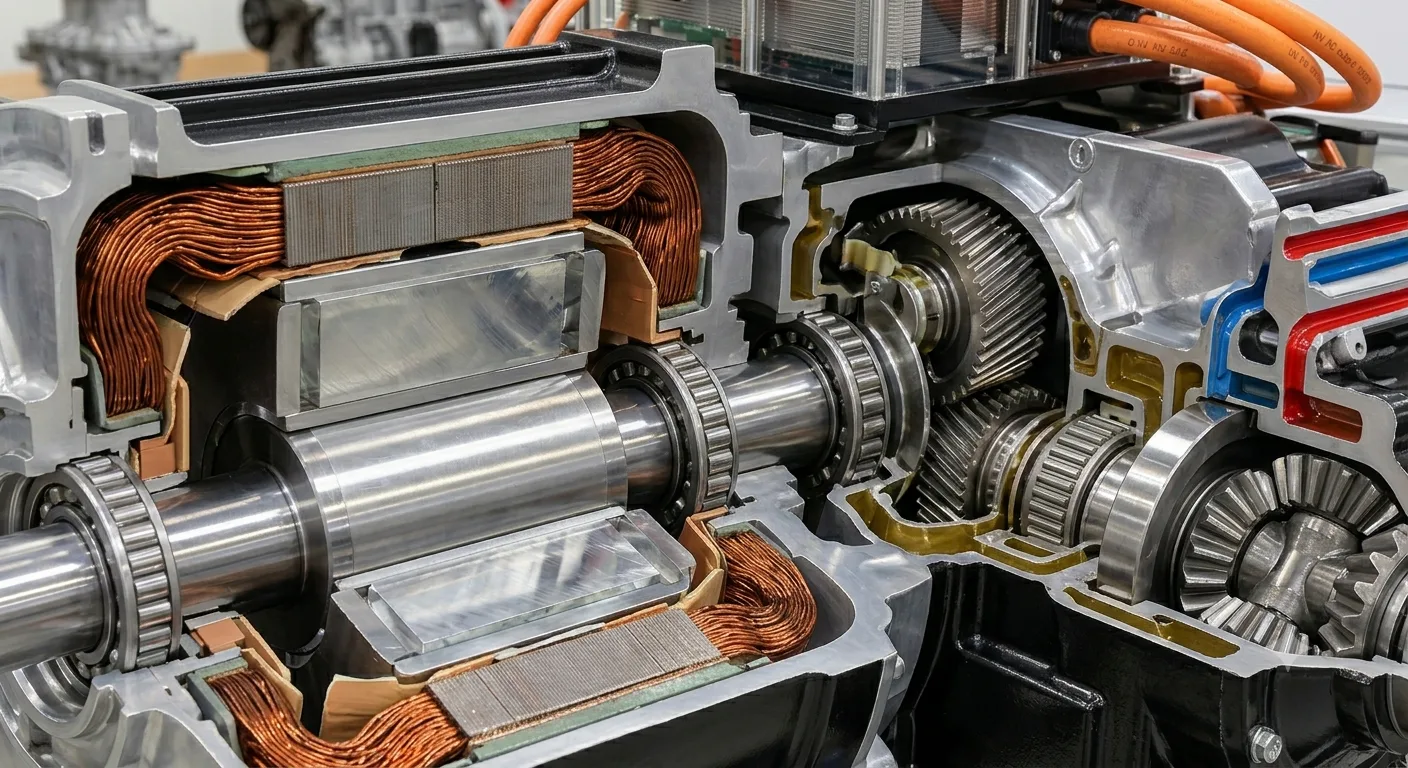
Traction motors for the next wave of electric-vehicle and drivetrain demand.
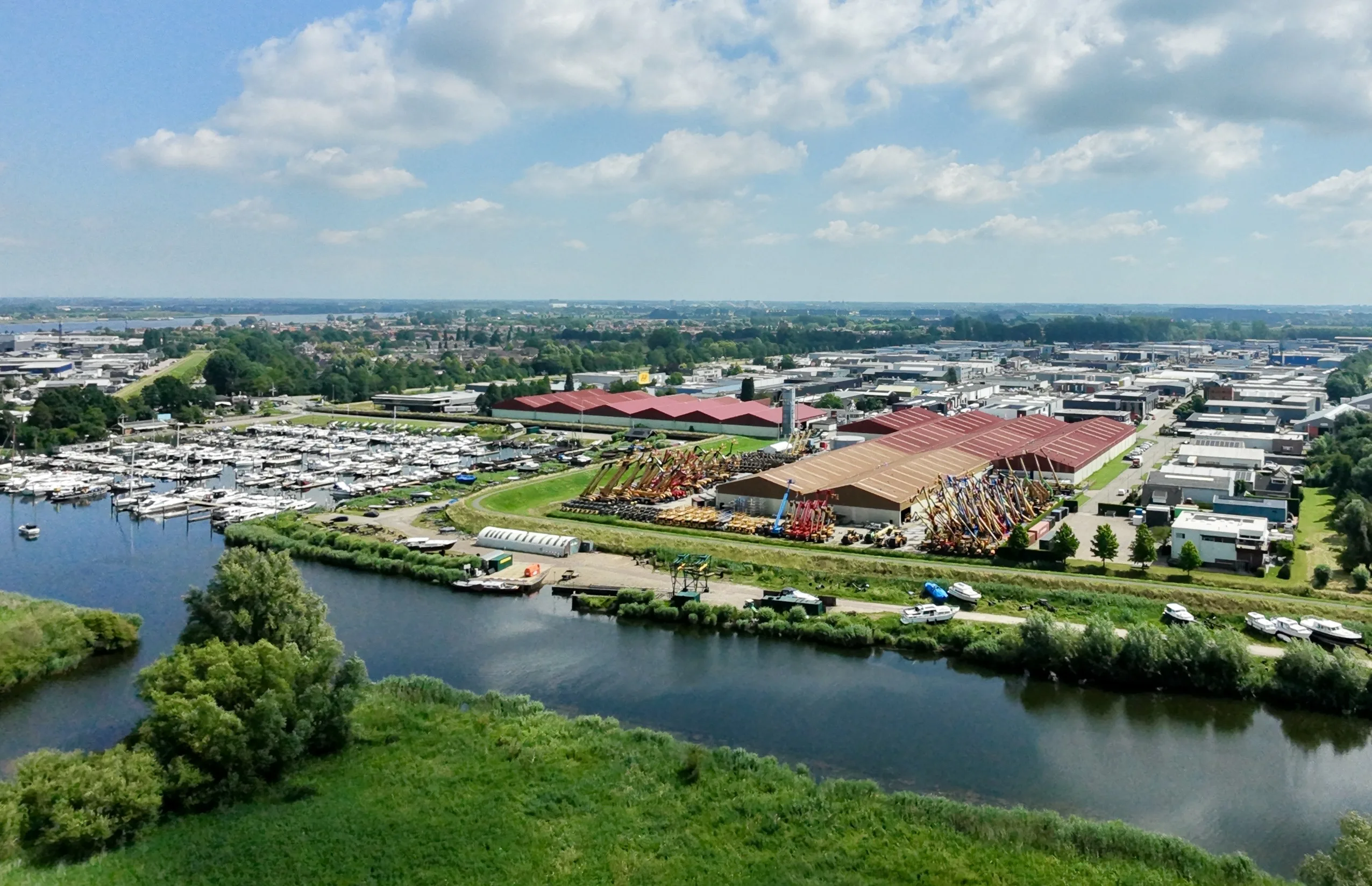
A waterfront logistics hub.
Magnet Loop's logistics site on the water in the Netherlands — where incoming feedstock arrives, stock is held, and magnets are distributed to customers across Europe.
A factory at the centre of a cluster.
Magnet Loop is more than a plant: it anchors a Benelux industrial and research cluster spanning metallurgy, recycling, distribution, application engineering and materials science. We grow inside the existing European ecosystem rather than competing against it — coordinating capacity, feedstock and customer qualification across the EU.
We operate as a coalition rather than a single company. Partners such as Living Hope VC and Overdie Metal Recycling bring capital, feedstock and industrial capability to the same table — each covering a link in the chain that no single party could build alone.
The people behind the loop.
Magnet Loop is led by a small team that combines industrial leadership, rare-earth materials science, hands-on manufacturing, finance and customer focus. Between us we have built businesses in global value chains, published on the physics of magnetic materials, and run operations on the factory floor — the three things a magnet plant needs at the same time.
Aaron R. Berg, MSc.
Aaron has spent his career in global value chains — semiconductor front and back end, automotive, medical, offshore and maritime equipment, and heavy infrastructure — with specialised knowledge of the electronics, mechatronics and magnets industry. Since 2025 he has worked closely on heavy-rare-earth export controls, the issue that defines this market. He is owner and managing partner of Aquí Solutions, and brings business development, negotiation and M&A due-diligence experience from work across Aruba, the Netherlands, the United States, Mexico and South Africa.
Jefry Samson, PhD
Jefry completed his postdoctoral research at the Max Planck Institute for Chemical Physics of Solids in Dresden, one of Europe's leading centres for the physics of functional materials, and conducted his doctoral research at the CRISMAT-CNRS laboratory in Caen. He anchors Magnet Loop in the science: the materials research that decides what a magnet can do before it is ever pressed, and the link to the European research community our grades depend on.
Frank Hendrikx
Frank is an entrepreneur based in Eindhoven, in the heart of the Dutch high-tech and machine-building region, with a background in industrial manufacturing at SV-Hekwerk and an HBO engineering education. He brings the practical, get-it-built perspective — what it actually takes to put steel, equipment and people on a site and make them work together.
Willem Luijk
Willem is owner of Van Laarhoven & Partners in Waalwijk, advising businesses on the financial and corporate side. For a capital-intensive plant with a long build-out, that discipline matters as much as the metallurgy: structuring, funding and keeping a multi-party coalition financially sound from first investment to first shipment.
Jiska van der Kooij
Jiska is Magnet Loop's key account manager. Working remotely, she supports customers and the team online — flexible, approachable and always ready to help. Jiska works where strategy meets people and execution: making sure that a plan agreed at board level is understood, owned and carried out on the ground. For a young company bringing partners together from across Europe, that alignment is what turns a coalition into one team.
Where to meet us.
Trade fairs, conferences and seminars where Magnet Loop takes part — on site or online.
-
23 – 24 Sep2026
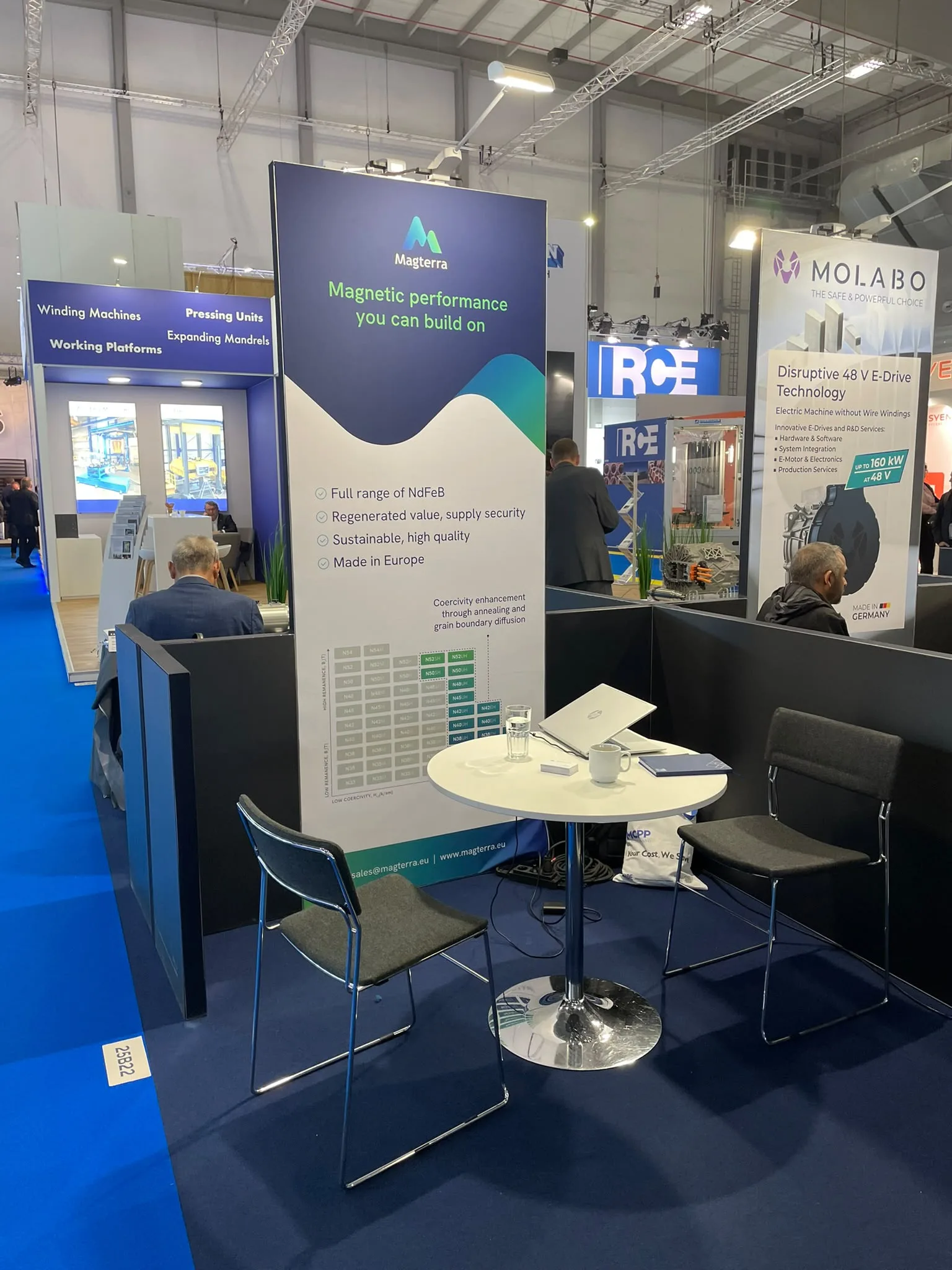
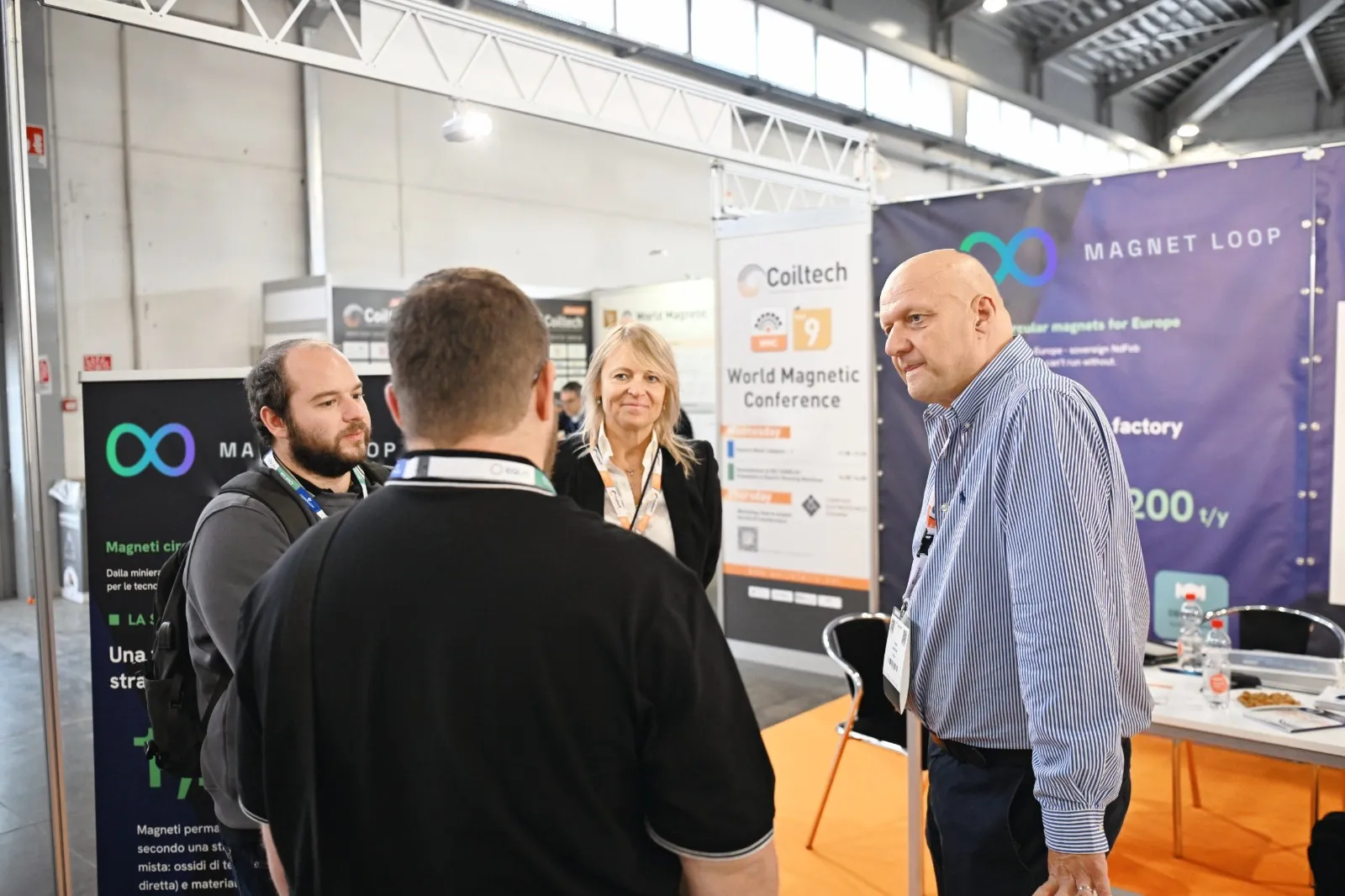
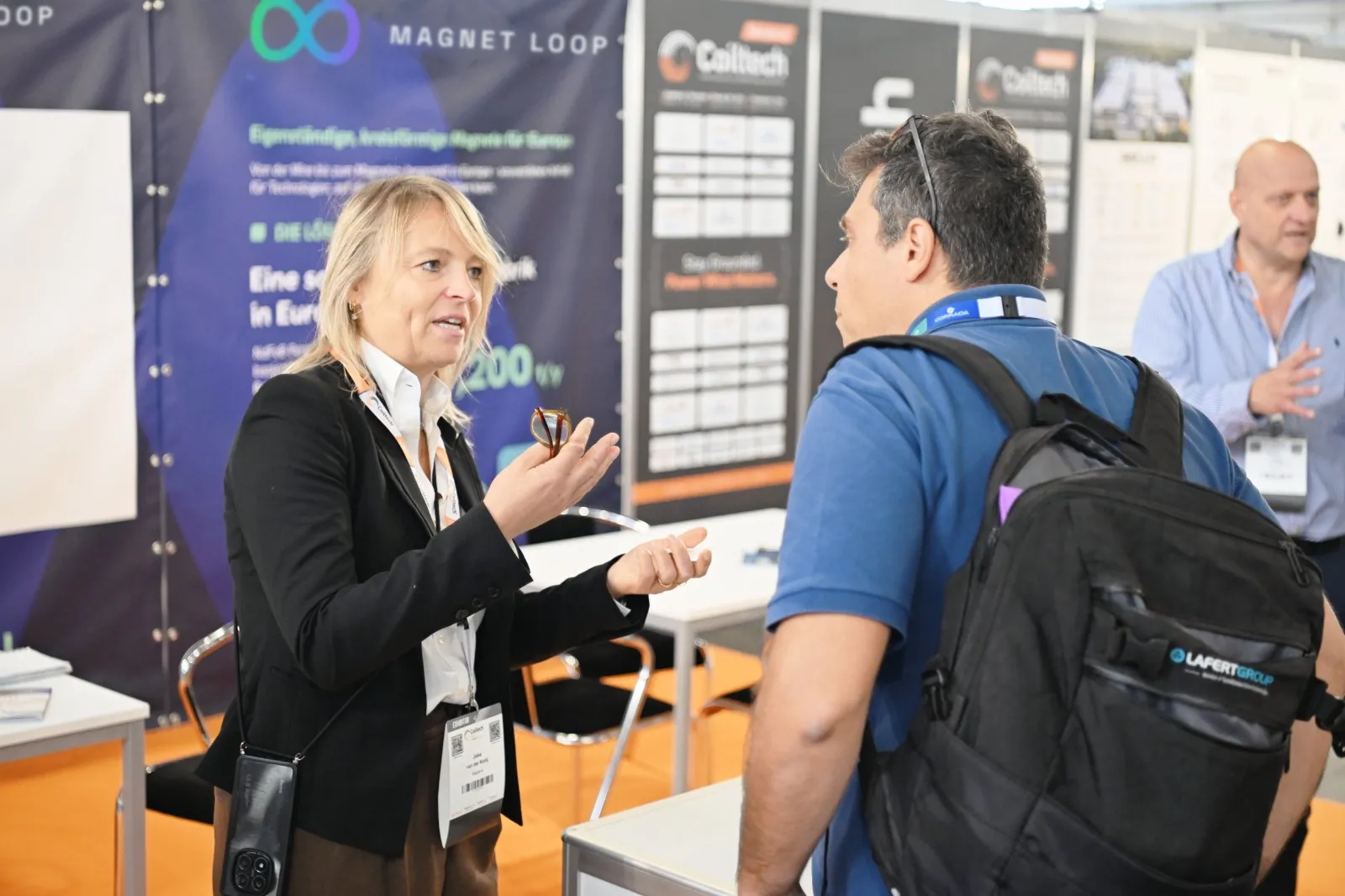
This was Coiltech Italia 2026
Two days at Coiltech Italia and the World Magnetic Conference in Pordenone, among the motor, generator and transformer builders who put magnets to work. We spoke with manufacturers from across Europe about circular, European-made NdFeB and SmCo magnets and about what a secure supply would mean for their production. Thank you to everyone who stopped by our stand — we look forward to continuing the conversations.
-
29 Sep – 1 Oct2026
MSE 2026 — Materials Science and Engineering Congress
We join MSE 2026 online: the leading international materials science and engineering congress in Germany, where world-renowned experts and young researchers present the latest work in the field.
mse-congress.deKey takeaways so far
- Several approaches use different rare-earth and material compositions to raise magnetic performance (BHmax), including Nd-Cu- and Ce-based systems.
- For recycled NdFeB, matching the performance of the original scrap magnets remains challenging. Grain-boundary diffusion (GBD) is being explored as an effective way to recover and improve the magnetic properties.
- Rare-earth-free magnets, such as MnAl and Fe2P-based systems, are still far from NdFeB performance and currently suit lower-performance applications.
Let's talk magnets.
Whether you need qualified samples, want to discuss offtake, or are exploring partnership across the supply chain — we'd like to hear from you.